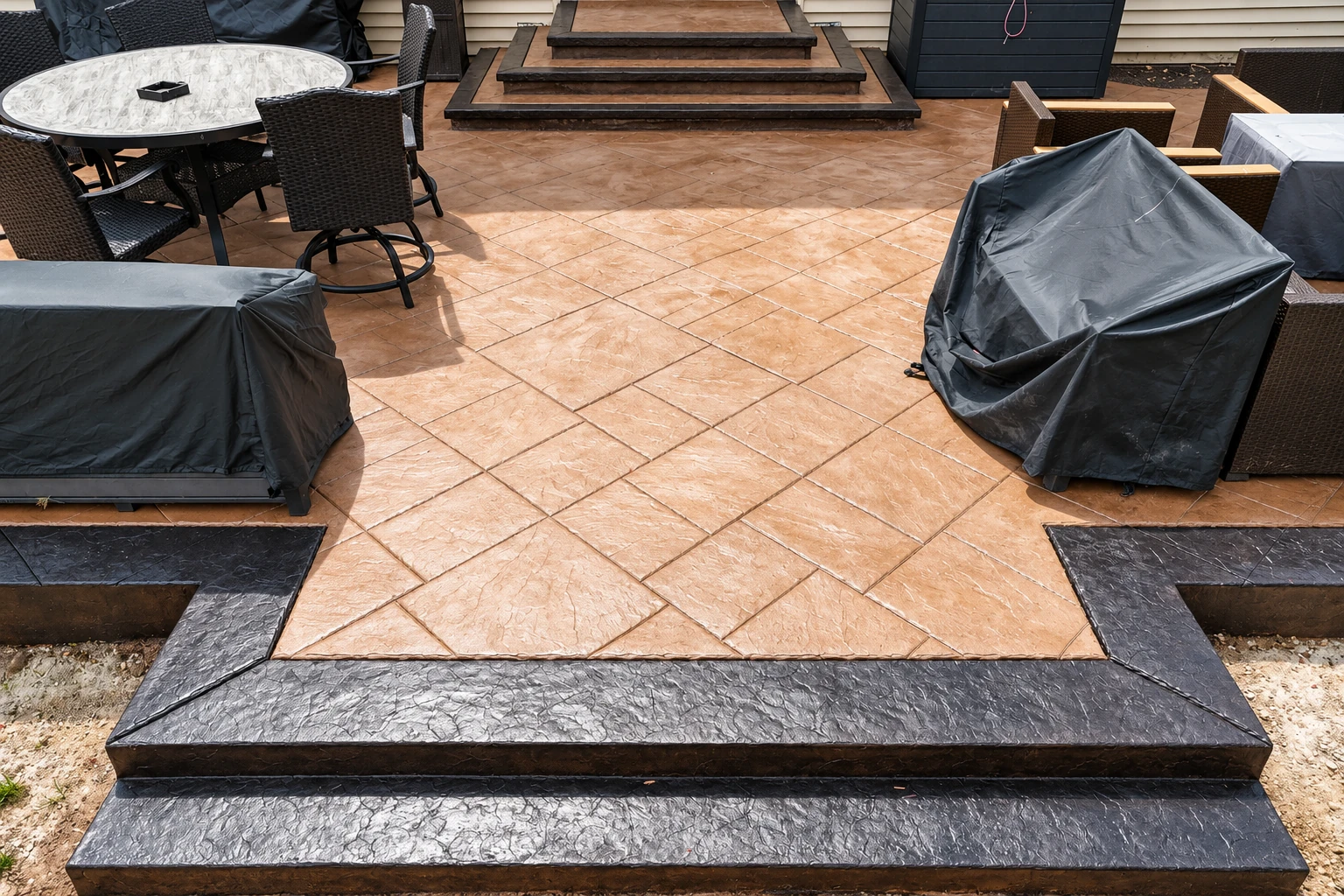
Concrete footings in Mountain View CA - a solid base for what you build on top
Building an addition, a deck or a carport and need it to stay put? We dig, form and pour footings for what they'll carry.
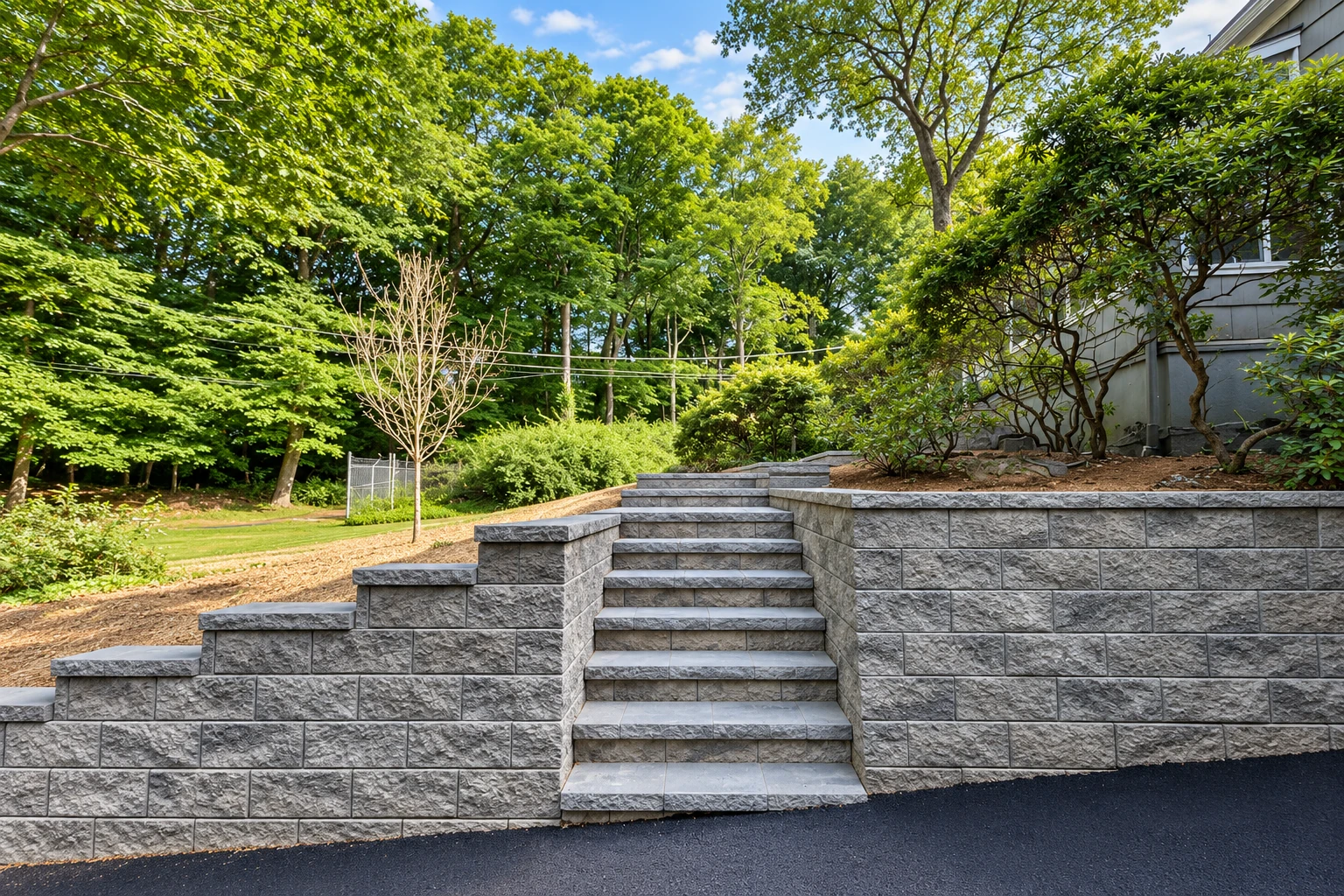
Concrete footings carry the load. Here's when you need them.
A concrete footing is the concrete in the ground that takes the weight of whatever sits above it, like a deck post, a porch, a wall or an addition, and passes it down into the soil. When a footing is missing or the ground under it moves, the structure above starts to sink, lean or crack.
The price moves with how big the project is, what we hit when we dig and how easy the spot is to reach. The schedule depends on any site checks your lot needs first and on curing, the wait while the concrete hardens before framing goes on. Your written estimate gives you the numbers for your job.
Concrete footings show trouble early. Here's what to look for.
A post that's sinking
When one deck or porch post sits lower than the others, the footing under it is usually settling, or there never was one. If it's left alone, the framing above twists and works its fasteners loose.
Steps pulling away from the house
A widening gap usually means the steps rest on dirt or on a footing that's moving, and the gap lets water in behind them. If the house itself has settled, you need foundation raising instead.
A new build on the drawings
An addition, a carport or a heavy post needs its footings in before anything else goes up, so the footings come first on the schedule. If they're left to the last minute, everyone who comes after has to wait.
Your footing job starts with a visit. Then a written plan.
Once you get in touch, I come out myself to look the site over and ask plenty of questions. The first question is what the footing has to carry, one post or the edge of a slab, because I'd rather check the ground and the access early than find a problem once the hole is open.
The written estimate breaks out digging, forms, concrete and labor. It also says who places the steel, the rebar that helps the concrete hold together. When you're ready, our lead hand runs the crew, I check in at the key steps, and we clean up and walk the finished footings with you.
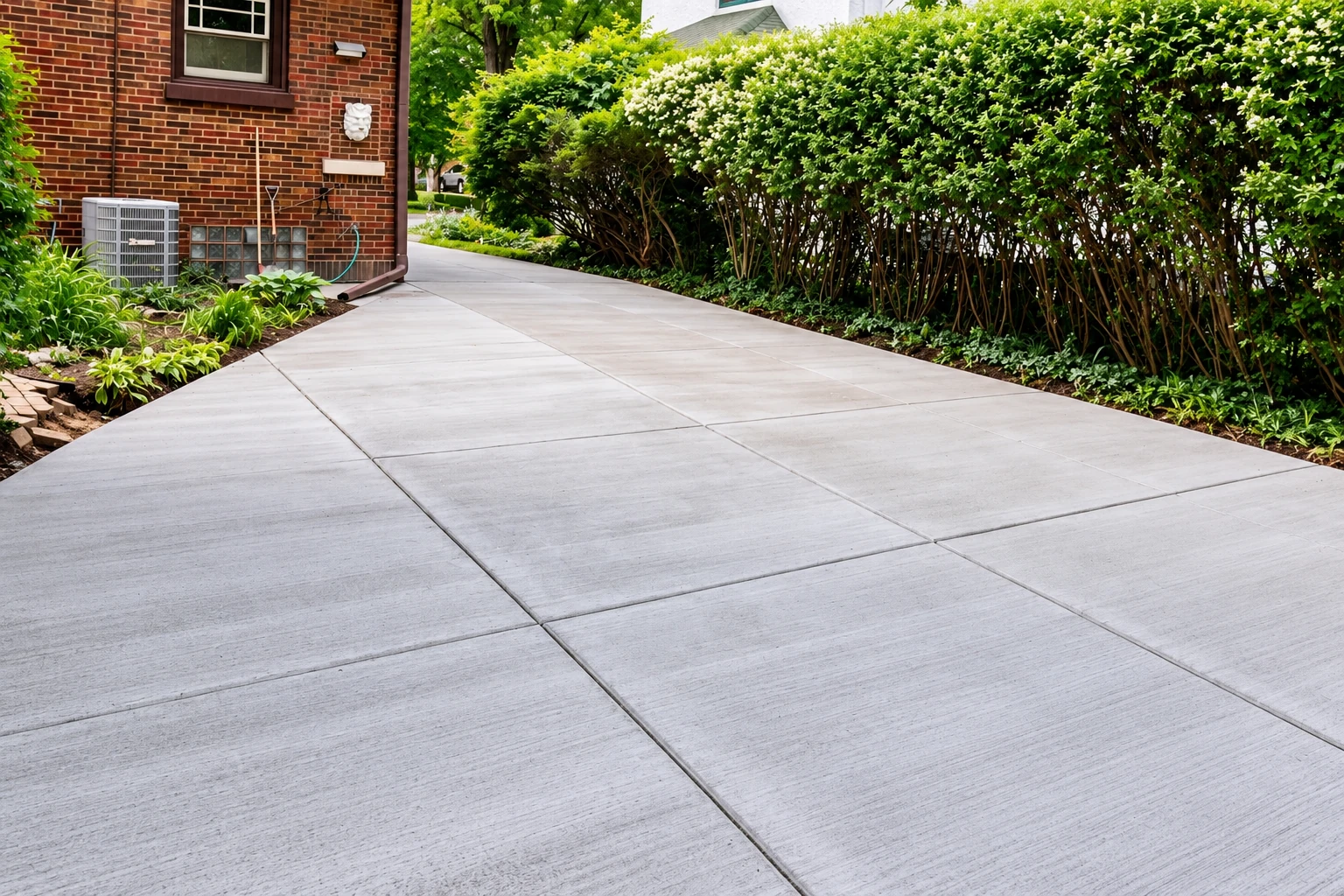
Tell us about your footings. We'll come take a look.
Send your address and what the footing will hold up. We reply within one business day to set up a free on-site estimate, with no obligation.
(650) 447-1063Concrete footings around Mountain View. The ground isn't the same everywhere.
The state's geological survey maps earthquake hazard zones. On a zoned lot, the geologic and engineering checks come before construction, so plan that time in. Parts of lower Mountain View have slow-draining clay, and the bay marshes have soft bay mud that squeezes down under weight, which is why I look at the ground early.
We're based in Mountain View and pour footings there and in many of the cities around it, including Sunnyvale and Palo Alto.
Footing questions come up. Here are plain answers.
Read through the answers below. If your question isn't here, call us at (650) 447-1063 and I'll walk you through it.
Do I need a pad footing or a thickened slab for my project?
A pad footing is the usual choice under a single post or column, and a thickened slab is the choice when the footing is poured as one piece with a floor slab. If the new footing has to go through an existing slab, we start with concrete cutting to open it up.
How much do concrete footings cost per linear foot?
Across the US, installed residential strip footings usually cost about $5 to $19 per linear foot. That price covers the concrete, the labor, the digging and the forms. It's a national figure, not our price, and your estimate shows what your lot will take.
Who can pour concrete footings in California?
California's contractor board licenses concrete contractors to form, pour, place and finish concrete, so ask any bidder whether their license covers footing work. That license class leaves out firms that only place reinforcing steel, so it's also fair to ask who will set the steel. We're fully licensed and insured. Satisfaction guaranteed on every job.
How do I find out if my Mountain View lot is in an earthquake hazard zone?
Type your address into the state's EQ Zapp map, and it shows whether the property lies in a mapped earthquake hazard zone. It also tells you when the state hasn't evaluated an area yet. If your lot is zoned, plan for the site checks I mentioned above.
Planning an addition or a deck? Call us about the footings first.
Tell us what you're building and the address, and we'll set a time to come look, so any site checks start before your schedule depends on them.
Mon–Fri: 7 AM–9 PM, Sat–Sun: 6 AM–9 PM