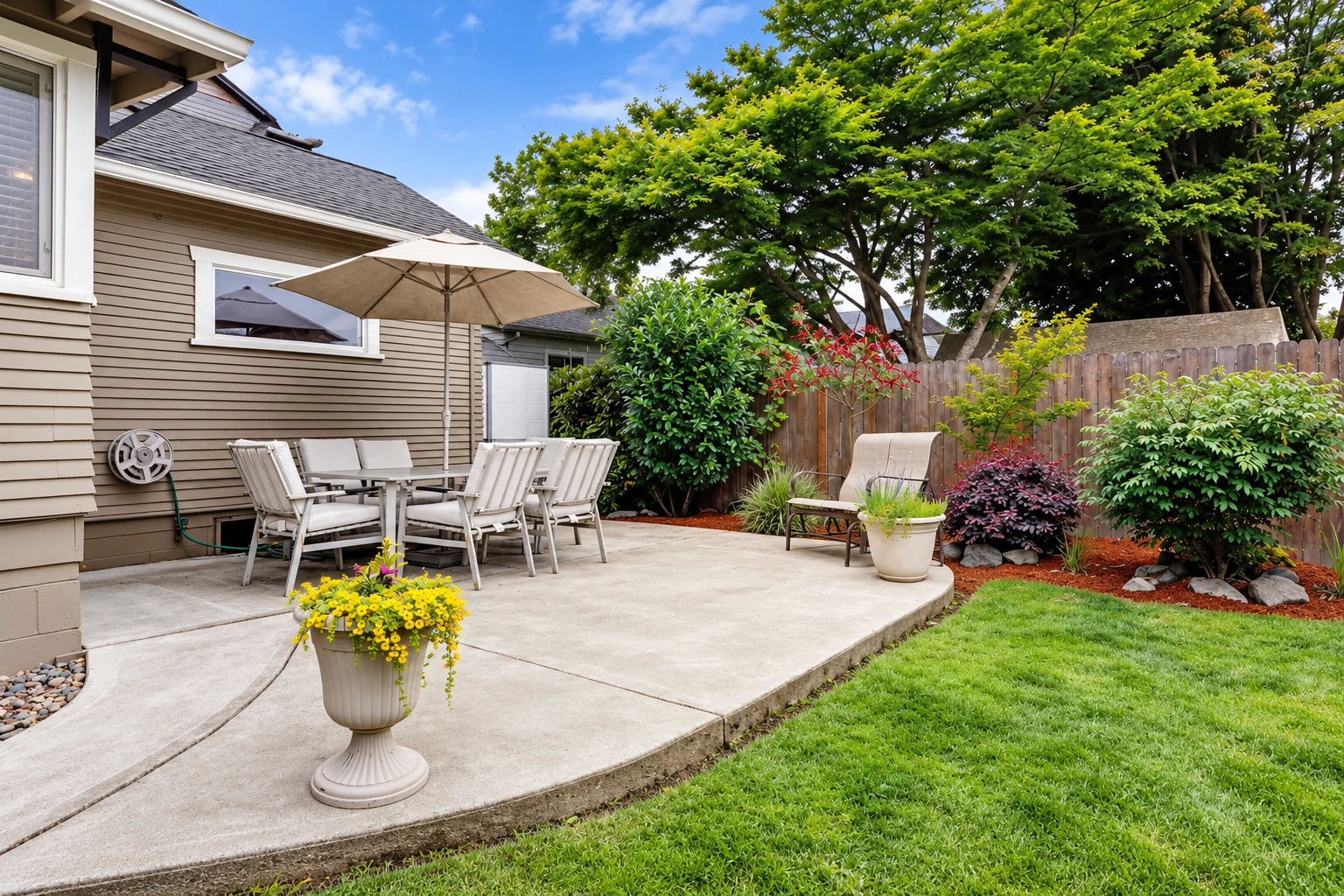
Concrete patio construction in Mountain View CA - a slab that drains away from your house
Old slab cracked and holding water, or just bare dirt out back? We pour a patio that's even underfoot and drains away from your house.
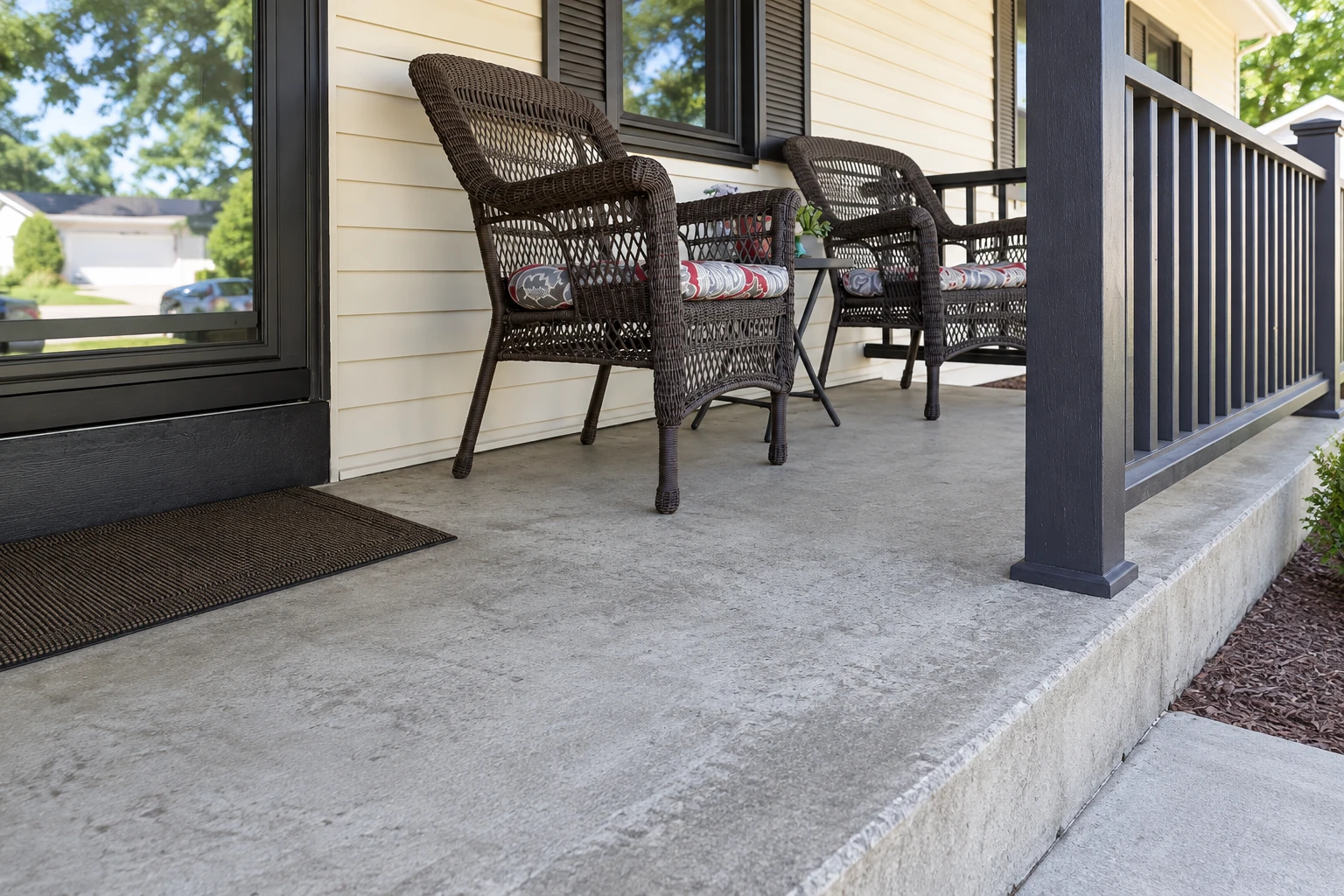
Concrete patio construction starts underneath. Here's when you need it.
Concrete patio construction in Mountain View, CA starts well before the pour. We dig out and pack the subgrade, the ground the slab sits on, set the fall, a slight slope away from your house, then pour and keep the fresh concrete moist while it hardens, because that curing time lowers the risk of cracks and helps the patio hold up.
Most patios that fail were rushed underneath, with dirt raked flat instead of dug out and packed, or a slab that tips water toward the house. When the budget's tight, I'd keep the money in the base and go plainer on the surface, because nobody sees the base on day one but it's the part you can't redo.
The price moves with the size, whether an old slab comes out first, how far concrete has to travel to the backyard and the finish, plain or stamped concrete. Tying into steps or a new sidewalk adds work too. The schedule turns on that same access question and the curing wait, and your written estimate puts a figure on your own yard.
Signs it's time. When a concrete patio makes sense.
Water pooling against the house
If water sits on your old slab or runs back toward the wall after it rains, the slope is wrong. Every rain you wait through puts more water against your foundation.
Sunken or tilted sections
When one part of a patio sits lower than the next, the ground under it usually wasn't packed well or has washed out. The edge turns into a trip spot, and the low side collects water.
Mud or worn grass out back
If the spot by the back door turns to mud or the table legs sink into the lawn, a slab gives you a flat, dry place to sit. Waiting just costs you the use of the yard.
From first visit to clean-up. How a concrete patio job runs.
When you get in touch, I come out myself to look at the yard and ask plenty of questions, like where you want the patio and where water goes there now. Before anything else I work out the fall away from the house and how concrete gets back there, by wheelbarrow through the side gate or by pump.
Then I send you a written estimate. A broom finish, a light brushed texture that keeps a wet slab from getting slick, is the simple choice, and stamped and colored gives the most eye-catching result, but one Bay Area contractor's guide puts its resealing at every 2 to 3 years, so I'll make sure you know that going in.
Our lead hand runs the crew, and I check in at the key steps. We dig out and pack the base, set forms, pour and finish, cut control joints, shallow grooves that give cracks a planned place to go, and keep the slab moist while it cures. Then we clean up and walk the finished patio with you.
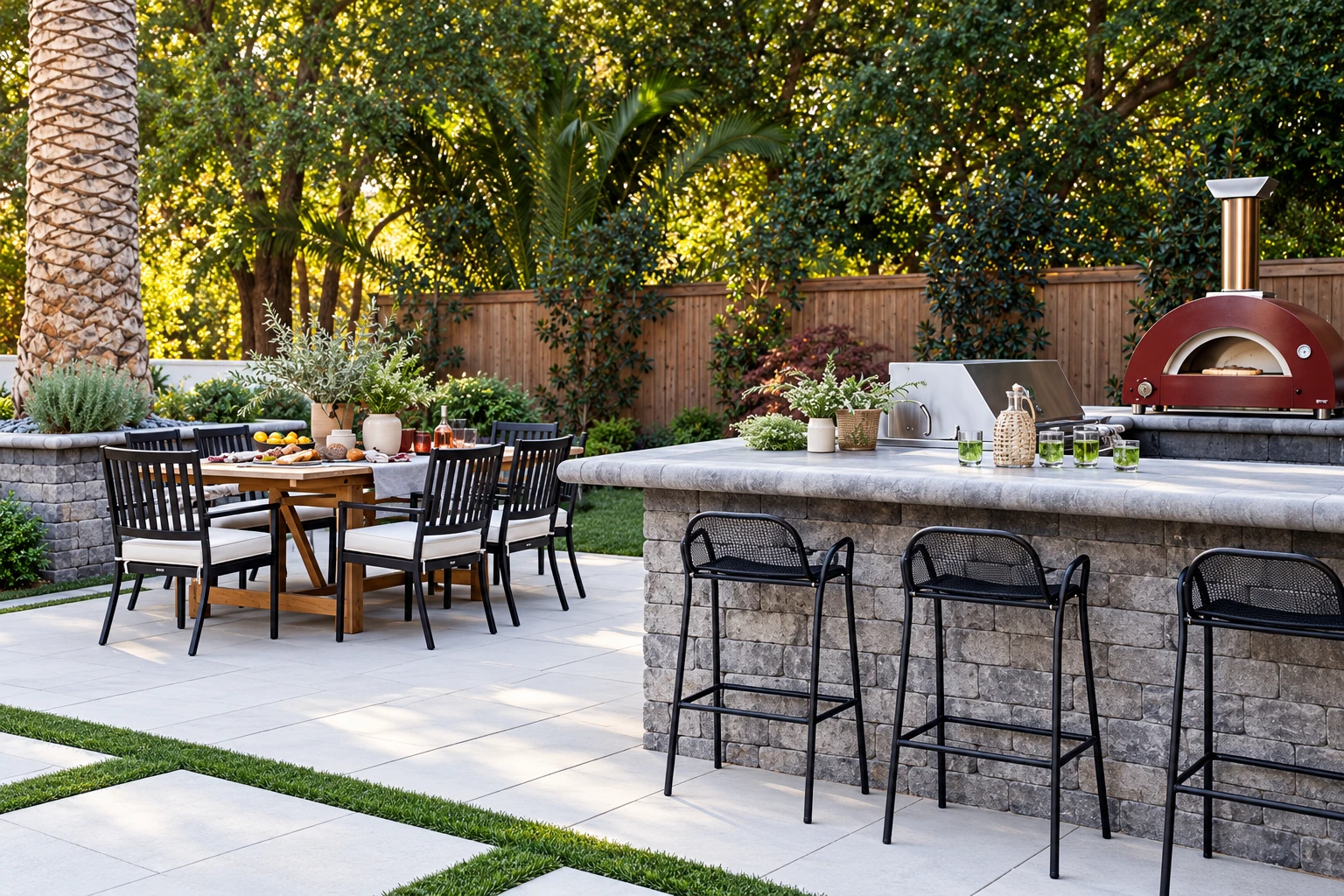
Thinking about a concrete patio? Tell us about your yard.
Send your patio size, finish idea and how we'd reach the backyard. We reply within one business day to book a free on-site estimate, no obligation.
(650) 447-1063Concrete patios in Mountain View. And the cities nearby.
We're based in Mountain View and pour patios here and in many cities around it, like Sunnyvale and Los Altos, where many calls start with an old slab that's settled or tips toward the house.
The state licensing board counts forming, pouring and finishing flat concrete as concrete contractor work, and its exemption for unlicensed small jobs stops at $1,000, only for work that can't need a permit and has no hired help. We're fully licensed and insured.
Questions about concrete patios. Here are straight answers.
The answers below cover cost, cracks, timing and drainage. If your question isn't here, give us a call and ask me directly.
How much does a concrete patio cost in Mountain View?
Installing a 400-square-foot concrete patio in the San Jose metro area usually runs about $4,600 to $5,900 for the job. That's the going rate around here, not our quote, and tear-out, a pump, extra base work or a stamped finish all move it. Your written estimate gives the figure for your yard.
Will my new concrete patio crack like the old one?
Most likely a little, because a concrete industry guide says even the best design and construction leave some cracking, so a hairline crack isn't a failure. One Bay Area guide notes slabs crack where the ground moves unevenly, so we pack the base firm and even and cut the control joints on time.
How soon can I use my new patio after it's poured?
One Bay Area contractor's guide says a poured patio typically takes two to three days on site and then needs 7 days before normal use. Plan furniture and any get-togethers around that week, because the slab is still gaining strength while it cures.
Why does a patio need to slope away from the house?
So rain runs off the slab and away from your foundation. Building guidance says patio slabs within 10 feet of the foundation should slope down and away, and fixing that after the pour is hard and expensive, so we set the fall first. On a tight lot, a swale, a shallow channel, or a drain can carry the water off.
Planning work out back? Ask us about patios, steps and walks.
Call or use the form to tell us everything planned out back, so one visit covers how it all ties together. We'll set a time to come look.
Mon–Fri: 7 AM–9 PM, Sat–Sun: 6 AM–9 PM