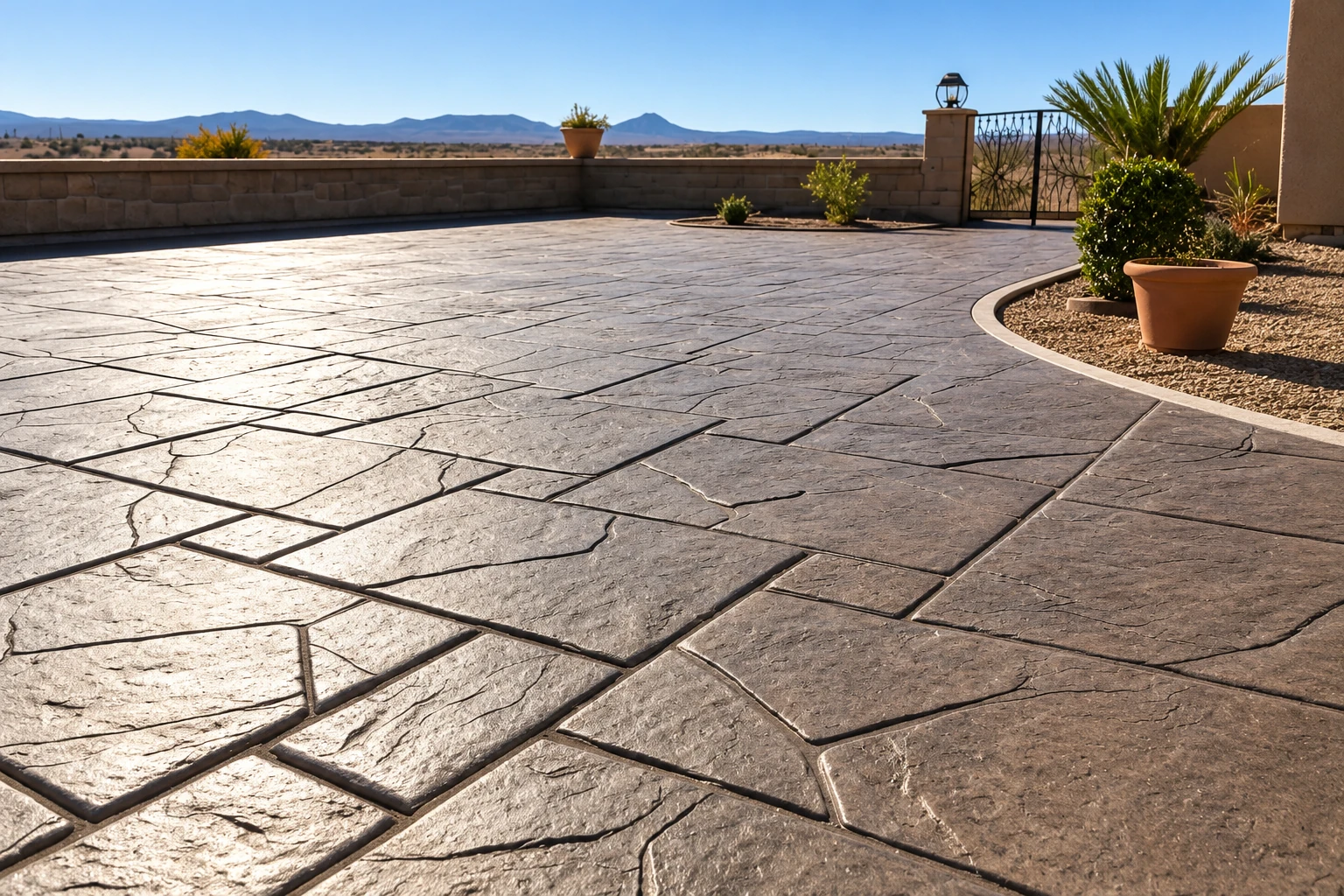
Concrete parking lot building in Mountain View CA - paving built for what drives on it
Cracked, puddled or worn-out lot, or bare ground that needs paving? We plan the slab around your vehicles and the water so it holds up.
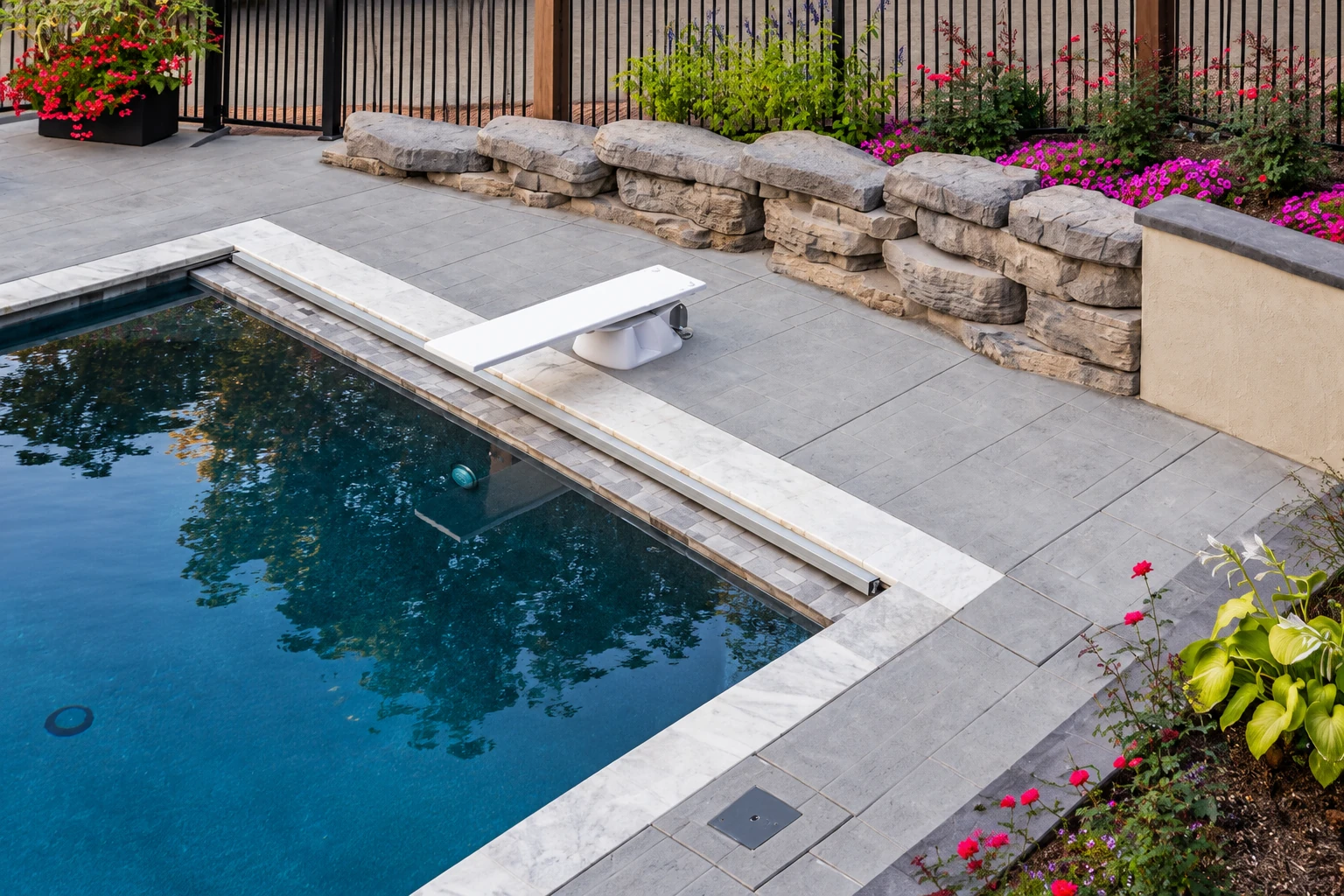
Concrete parking lot building is pavement work. It starts with your vehicles.
Building a concrete parking lot means paving it with concrete that's designed and built for parking, and done that way a lot can give you many years of service with little upkeep. When it's poured like a big patio, the trouble shows up where trucks turn, where water sits and where joints were skipped.
The price moves with the lot's size, the slab thickness your vehicles call for, the ground work and the drainage. The schedule turns on your engineers' plans, the weather and curing, the wait while fresh concrete gains strength before anyone drives on it. The written estimate I send after seeing your site puts figures on all of it.
We're fully licensed and insured, and the state licensing board treats paving and flat concrete as concrete contractor work, so ask anyone bidding your lot about their license. We also pour concrete footings for light poles and walls, and handle foundation raising if the building beside the lot has settled.
Know the signs. A new concrete parking lot may be due.
Water pooling after rain
Puddles that sit for days mean the lot wasn't built to shed water, and that water soaks the ground underneath until the surface breaks up and the base starts to give.
Cracks and sunken spots
Cracks that spread and slabs that drop usually trace back to a soft or uneven base, and every week of traffic over a weak spot pushes the damage wider.
More vehicles than it was built for
If delivery vans or pickups now use a lot that was laid out for a few cars, thin pavement wears out fast where they turn, stop and park.
Here's how a concrete lot job runs. It starts with my visit.
Once you reach us, I come out myself to walk the lot and ask plenty of questions. I'll ask how many vehicles park there now and how many you expect later, and whether they're cars only or trucks too, because that count shapes the whole design.
Then I send a written estimate. We build to the plans your engineers set, so the estimate follows the thickness, joints and drainage they call for. Control joints are cuts we place on purpose so the slab cracks along them instead of wherever it likes.
Once you're ready, our lead hand runs the crew and I check in at the key steps. The base is where budgets get cut first, and I'd rather cut elsewhere, because uneven patches in the subgrade, the ground the slab sits on, show up later as sinking. We clean up and walk the finished lot with you.
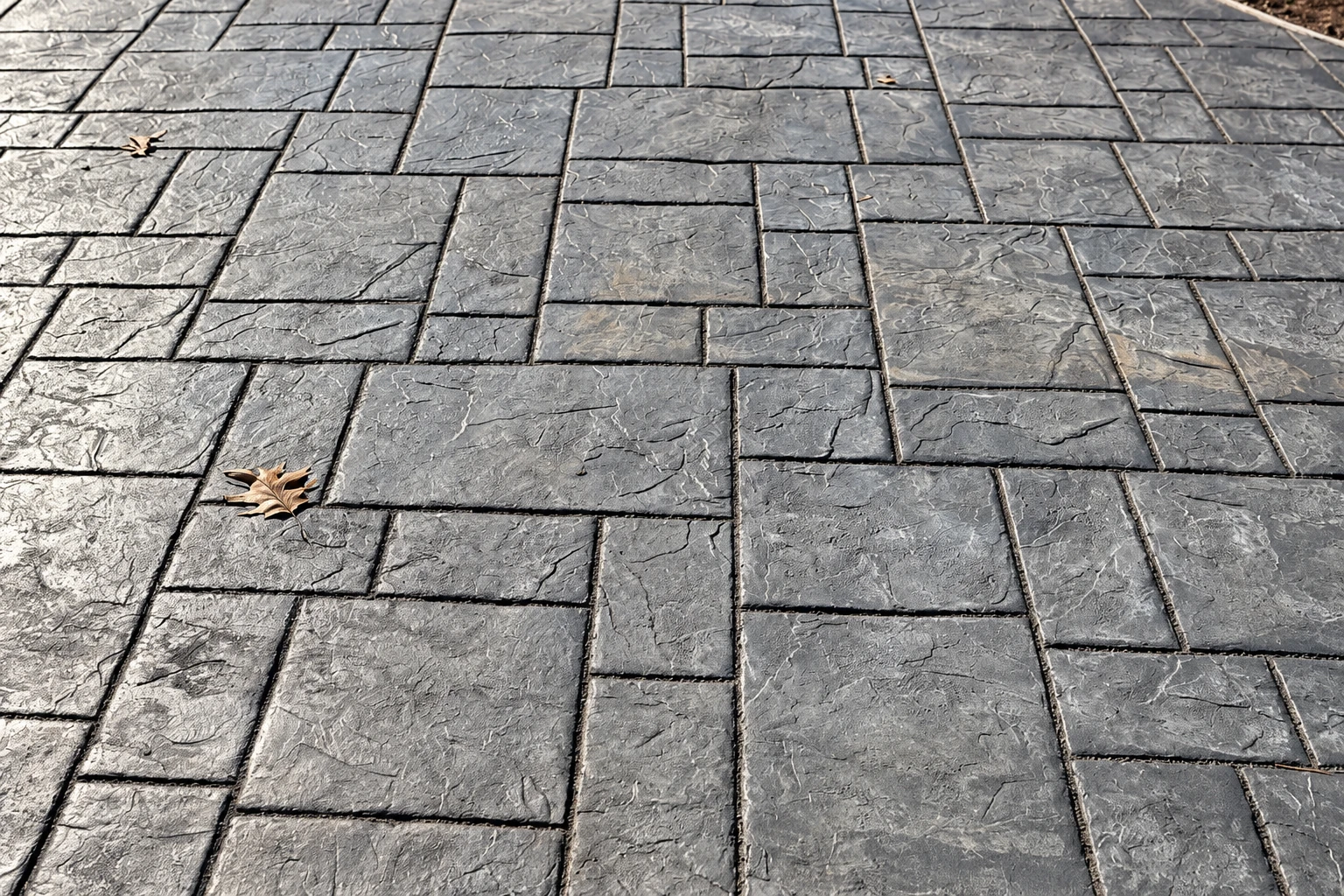
Planning a concrete parking lot? Tell us what will park there.
Send your vehicle count now and later, or tell us on the phone. We reply within one business day, and I'll come out for a free, no-obligation estimate.
(650) 447-1063Concrete parking lots around here. Each site brings its own puzzle.
Lower Mountain View sits in low basins where water had no natural way out until groundwater pumping and flood control improved drainage, so on a lot there I study the drainage layout your civil engineer sets closely.
The state building code calls for the site work it covers to be usable by people with disabilities, and changes to an existing lot meet the rules for new work unless the code says otherwise, so accessible spaces shape our layout from the start, here and in Sunnyvale and Santa Clara.
Questions before you build? Start with these answers.
Read through the answers below, and if your lot raises a question they don't cover, call (650) 447-1063 and I'll talk it through with you.
How thick should a concrete parking lot be in Mountain View?
For cars, vans and pickups only, 4-inch concrete without reinforcing steel is usually enough, and lots for light trucks may need 5 or 6 inches. Your engineers settle it from what drives there and how firm the ground is, and marking truck lanes on the plans can save real money on a big lot by thickening only those lanes.
What does a concrete parking lot cost in California?
An installed 4-inch concrete slab in California usually costs about $9 to $18 per square foot, labor and materials included, and that's the going rate across the state, not our price. Thicker paving for trucks, heavy ground work and drainage push a lot toward the high end, and the written estimate I send gives your own figure.
How long does a concrete parking lot last?
A concrete lot that's designed and built for parking can give satisfactory service for many years with little maintenance. How long yours lasts comes down to the parts you never see, a firm and even base, water that drains away, and joints cut where they belong.
What do I need to decide before building a concrete parking lot?
Start with a clear count of how many vehicles use the lot now and how many you expect later, and what kinds, because that count drives the design. One trade group advises that a civil engineer then sets concrete strength, joints and drainage, and a geotechnical engineer recommends thickness from how well the ground supports a slab.
Ready to plan your lot? Call our Mountain View concrete crew.
If your engineers already have plans, keep them handy when you call or fill out the form, and we'll set a time to come look.
Mon–Fri: 7 AM–9 PM, Sat–Sun: 6 AM–9 PM